
Portfolio
↓
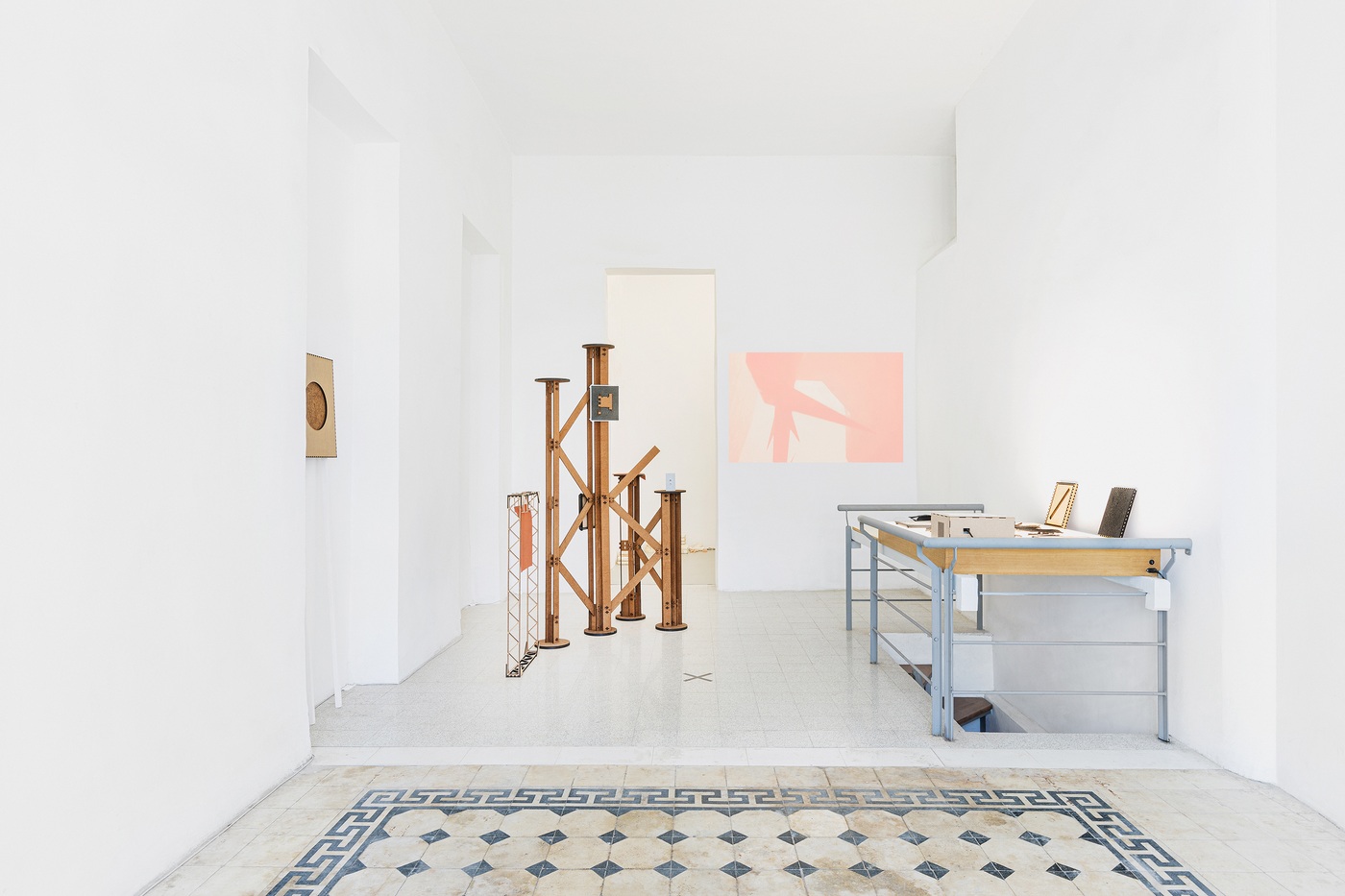
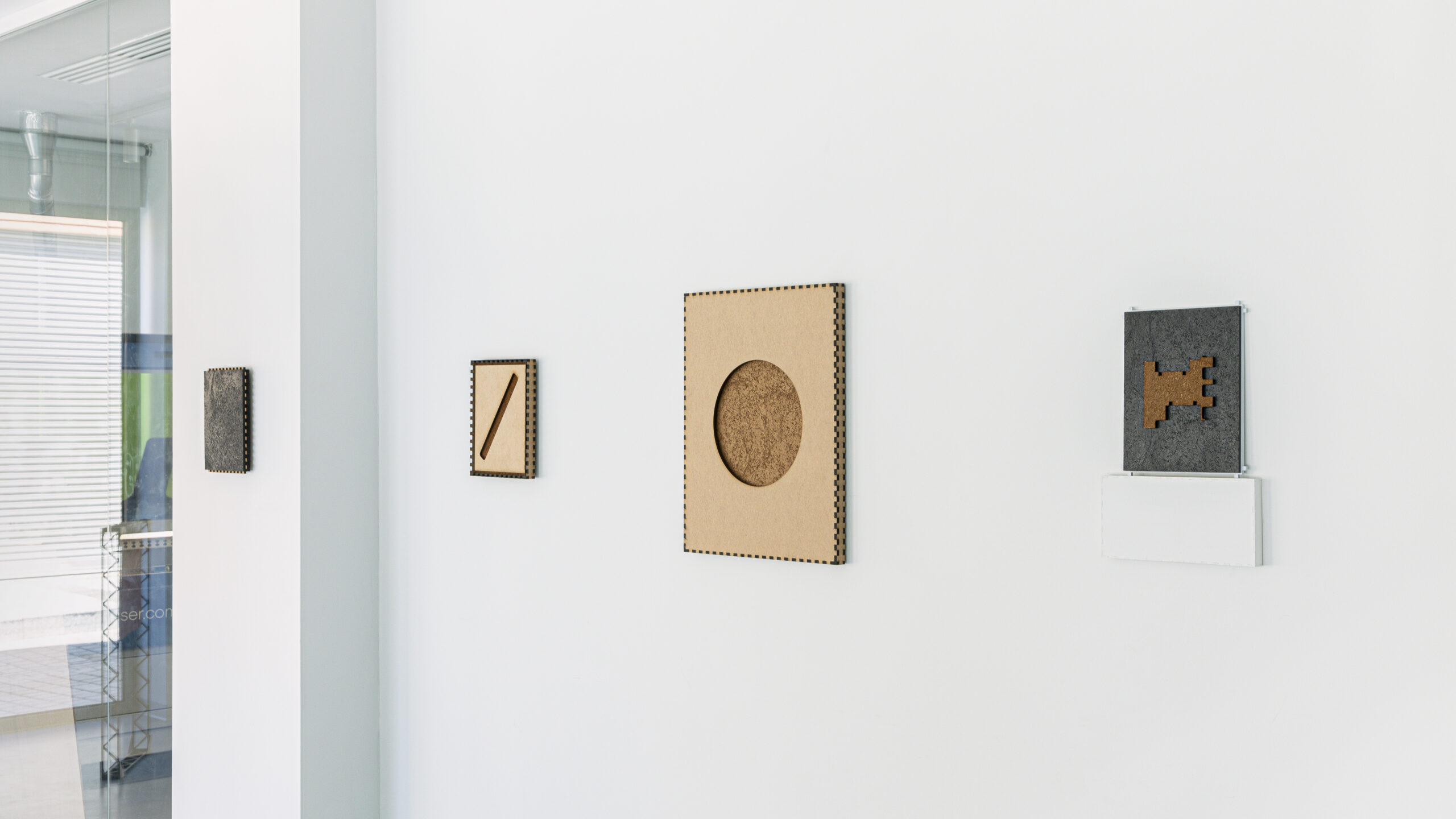
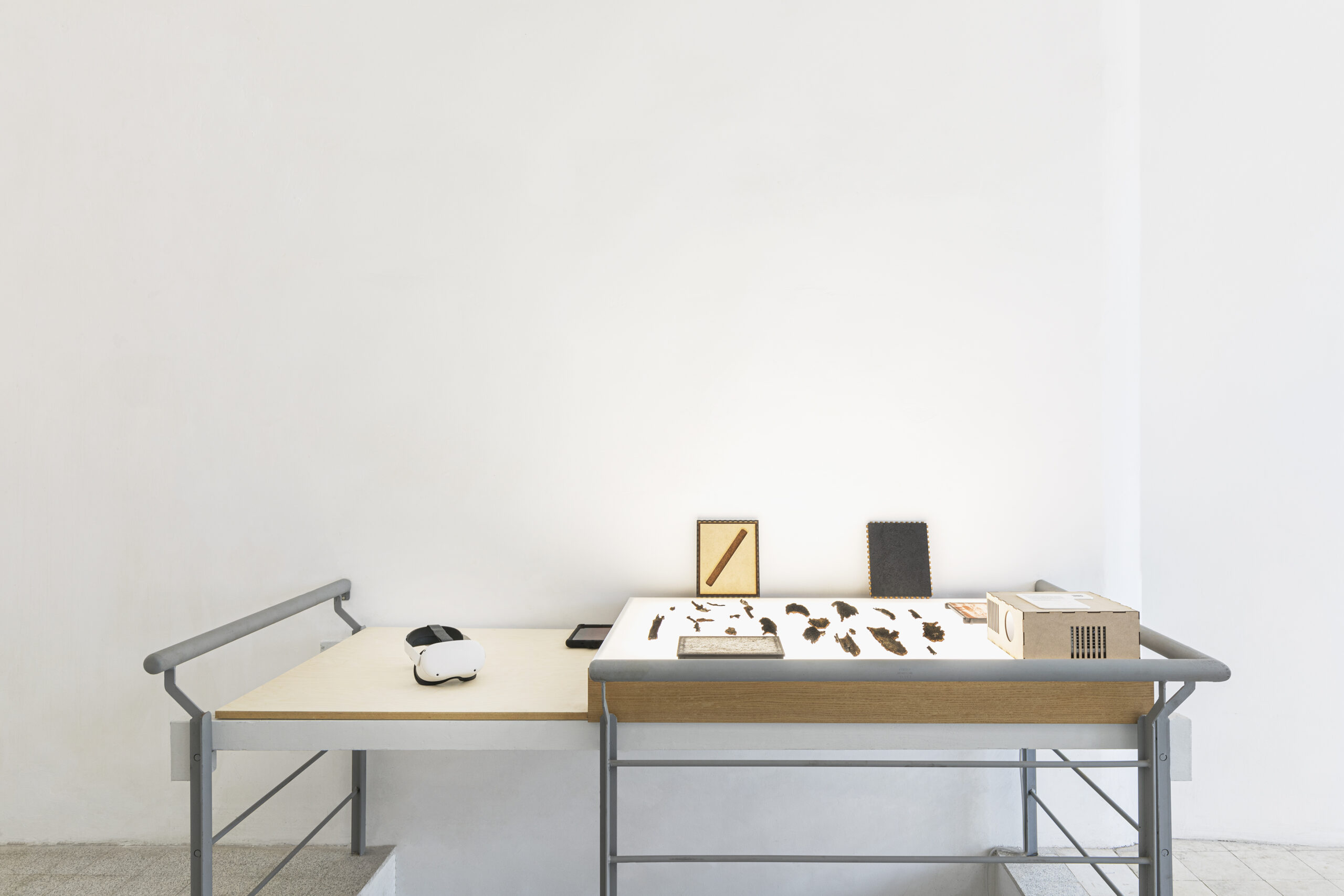
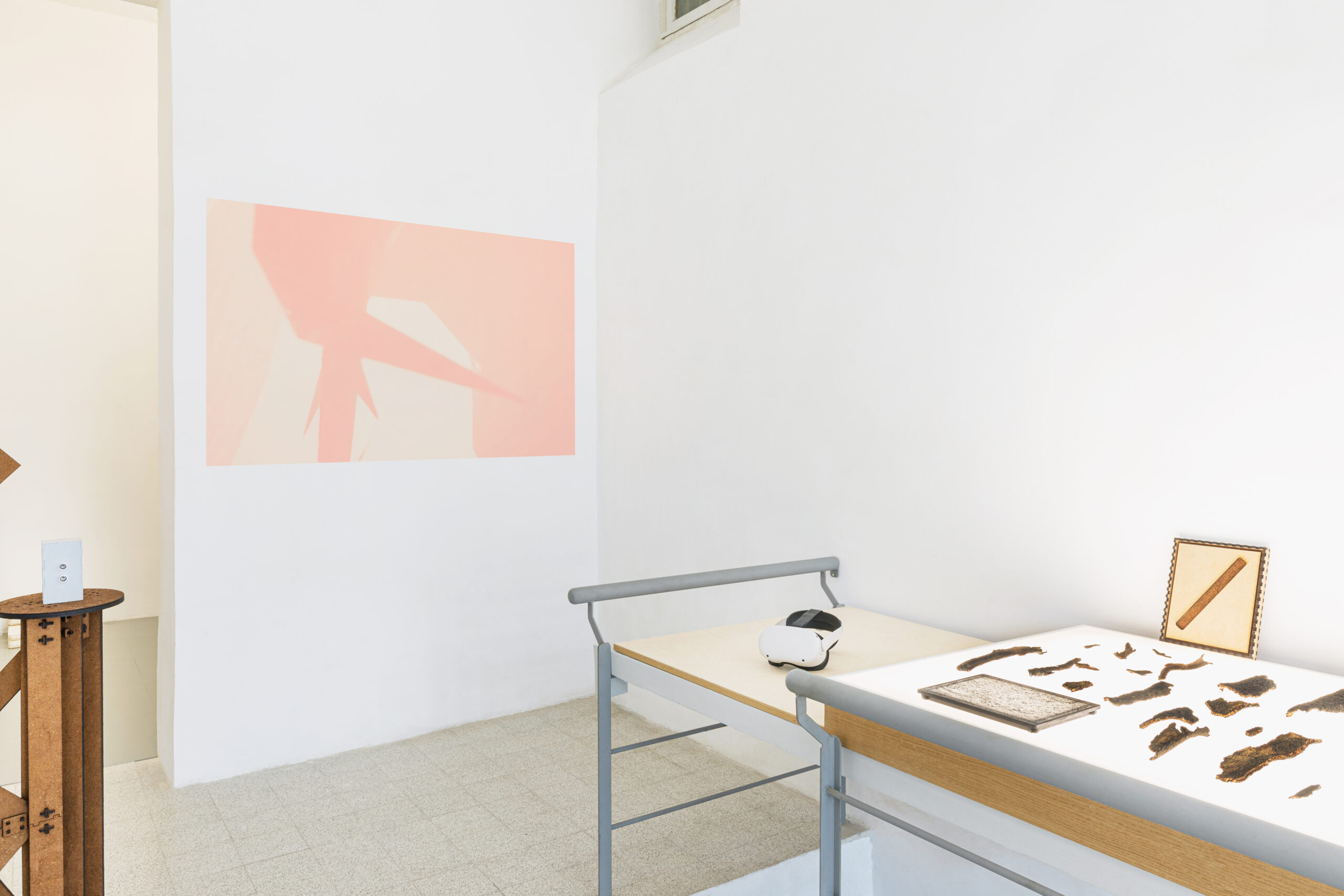


↑ kaio (burn), 2022
Installation view from Brave New Humanities, Art & Technology Festival, CYENS Centre of Excellence, Nicosia, Cyprus
Burn
Kaio (Burn) emerged from a longer engagement with wildfire-affected landscapes in Greece.
After encountering the immediate aftermath of nearby forest fires, I began collecting burned bark and wood from the region — material that held both physical trauma and symbolic weight.
The blackened textures, fractures, and scars in the wood became a point of departure for a series of sculptural studies. Laser engraving, typically associated with precision and control, is here applied to material already shaped by destruction. Rather than imposing order, the laser acts as a second layer of inscription — one that echoes the original burning while introducing a new, systematized language.
The works investigate the overlap of natural trauma and technological intervention, where the surface becomes a field of dual legibility: both organic and encoded. In these pieces, fire and machine meet as competing authors of form.
As part of Kaio (Burn), a simulation centers on a perpetually burning forest — a virtual environment that reflects, in real time, environmental data gathered from former wildfire sites in Cyprus. The density of smoke, ambient lighting, and atmospheric color within the simulation are driven by current temperature readings from these locations, tying the digital environment directly to ongoing climatic conditions.
This sensor-connected world is not a speculative or futuristic forest, but rather a representation of one that is already in a state of prolonged trauma. Visitors are not asked to interact with or “save” the forest, but instead to sit with its continual burning — a state shaped by live data and reinforced by the ambient visuals and soundscape that surround the installation.
The virtual forest burns in sync with the rising and falling heat of real-world places that have already experienced catastrophic fire. The work plays on the tension between distance and proximity: the screen offers a mediated view, yet the real-time data anchors it in the present. It explores the idea that ecological catastrophe is increasingly experienced through dashboards, streams, and simulations — events are witnessed more often in graphs than in person.
The simulation thus becomes both a memorial and a warning, reflecting on the limits of remote empathy and the challenge of representing climate trauma through the lens of
technology.


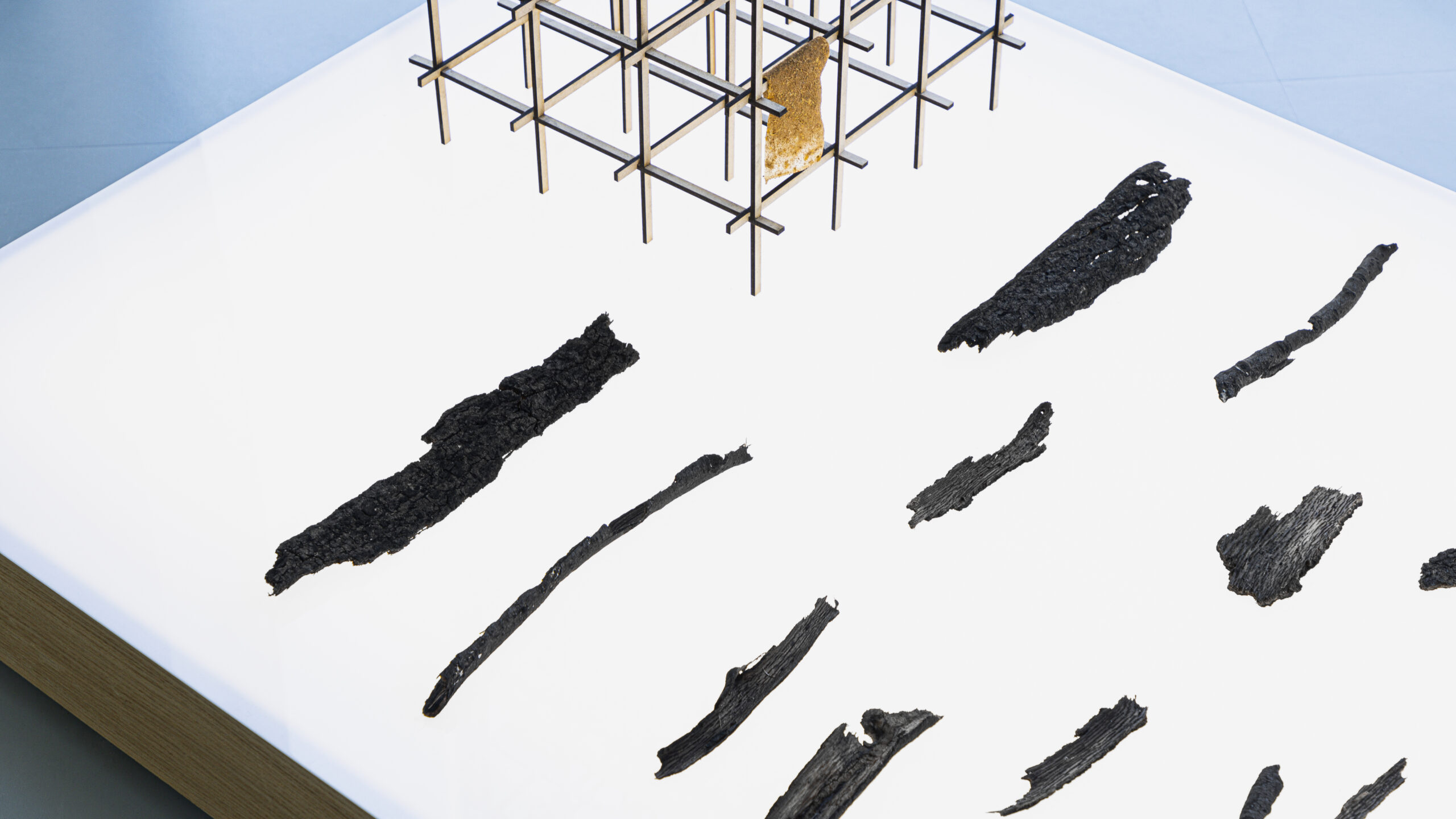
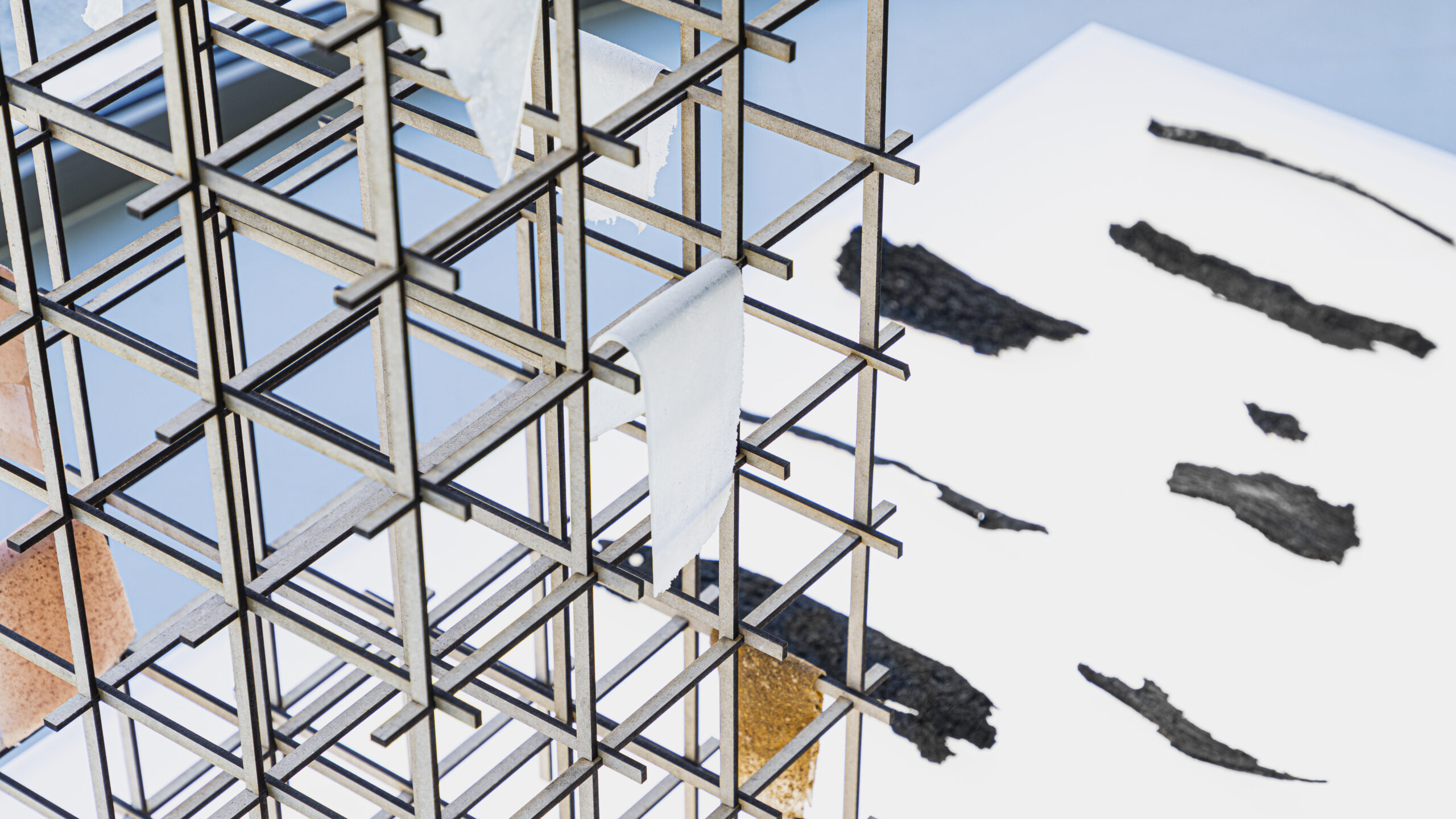

↑ Found Treebark from sites of wildfires in Greece

↑ Screenshot from Live Simulation (View through VR Headset)
Camera moving through a virtual forest that responds to live weather data in Cyprus
↑ Variations 3 (with Ben McDonnell)
Video with 2 Channel Sound
2022
Variations
Variations is part of the Breathing Spaces series by Ben McDonnell and Nemo Nonnenmacher. The work explores how sound and image can co-structure one another, tracing rhythms of expansion, instability, and support between physical space and its digital translation.
At the centre of this installation is a 3D scan of a rotating Leslie speaker, a mechanical instrument of resonance whose distinctive swirling sound has travelled from church organs to rock stages. Here, its scanned form, composed of over 120,000 digital points, is animated by sonic input—expanding, contracting, and dispersing in response to the shifting dynamics of the music.
The soundscape itself is drawn from McDonnell’s long-term compositional practice: instructions given to musicians to respond directly to the architecture in which they performed and recorded. Breath, Korean flute,
violin, guitar, and bass clarinet move through these spaces, shaped by their acoustics and atmospheres. Later, these recordings are digitally reworked, allowing architectural resonance to re-emerge inside the virtual environment.
In Variations, architecture, sound, and digital form intersect. The work places the historically embodied materiality of performance alongside the immaterial abstractions of scanning and simulation. Sound becomes both origin and organiser: a medium through which the Leslie speaker’s digital body swells, flickers, and transforms. Rather than simply bridging “IRL” and virtual space, the piece suggests that both are sustained by the same unstable rhythms of vibration, breath, and resonance.
↑ Variations 2, Screenshot from Video
↑ Variations 1, Screenshot from Video

↑
torso I (detail)
C-Type Print120 x 150 cm
2017
Prototypen
This body of work investigates the fate of the body once it passes into digital space. Through 3D scanning, transfer, and computational manipulation, physical figures are subjected to the magnifying glass of virtual tools — stretched, fragmented, and reconstituted as data. What was once formed by touch or direct material engagement is now mediated through algorithms, rendering processes, and engineered visual languages.
The result is a body that hovers in an ambivalent state: hypervisible in its digital circulation, yet increasingly dematerialised in its loss of physical presence. Seduction plays an important role in how these materials are treated. There is a memory of growing up with the excitement of the new millennium and the utopian promise of the internet and its emergent social worlds. The enthusiasm of science fiction at the time — from William Gibson’s Neuromancer to
Tad Williams’ Otherland or Neal Stephenson’s Snow Crash — reverberates in the present. These worlds were dazzling in their futurism, but always carried the weight of a darker flipside, a reminder that human desires, power, and fragility are entangled with every technological vision. This doubled perspective continues to haunt the works: they seduce with luminous new textures while exposing the vulnerabilities of bodies traversed by digital systems.
The material here often comes from handmade 3D scans, photogrammetry, or found footage from open-source databases — whether artistic interpretations of human form or scientific renderings intended for real-life, even medical use. The human body becomes both source and platform: a field for imagining and inhabiting
Other worlds, extending sensory and conceptual experience beyond what feels possible in physical space.
Research into the history of dematerialisation in art resonates strongly throughout. From the vanishing object in conceptual practice to Hito Steyerl’s notion of the “poor image” in The Wretched of the Screen, artworks have long circulated as fragile, degraded, and mutable forms. These pieces extend the logic of the “poor image” to the body itself, placing it in a state of repetition, distortion, and hypernormalisation, where its virtual presence may eclipse its physical trace.
Nemo experiments with a variety of digital tools, ranging from professional 3D software to flawed, obsolete programs whose unpredictability opens unforeseen possibilities. These mistakes and glitches remove control,
breaking the illusion of mastery and revealing new surfaces and textures. What emerges is not a definitive representation of the body but a speculative proposal: that the virtual is not the negation of matter but its transformation into an unstable and seductive new material condition.
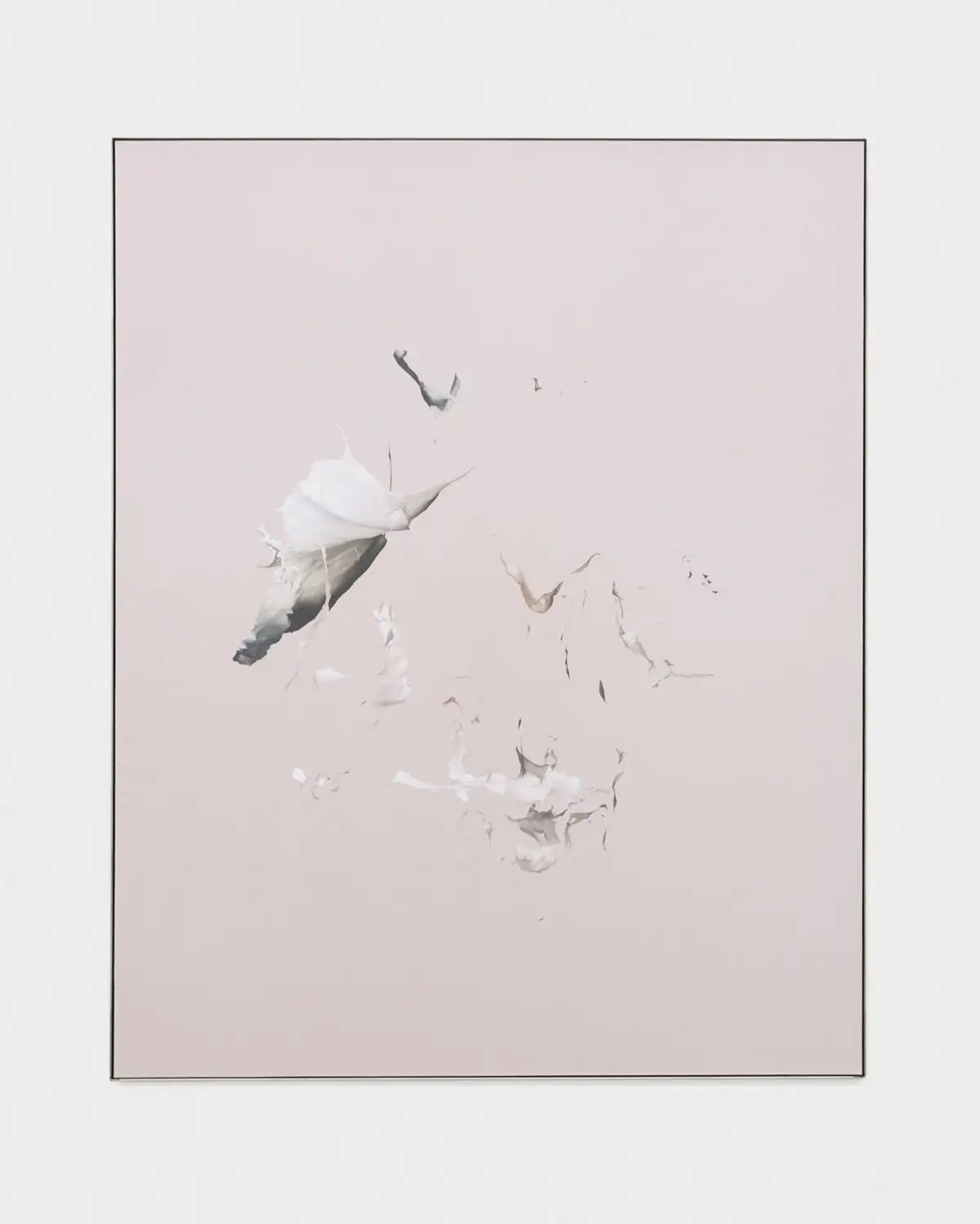
↑
hand I
C-Type Print, 120 x 150 cm
2017
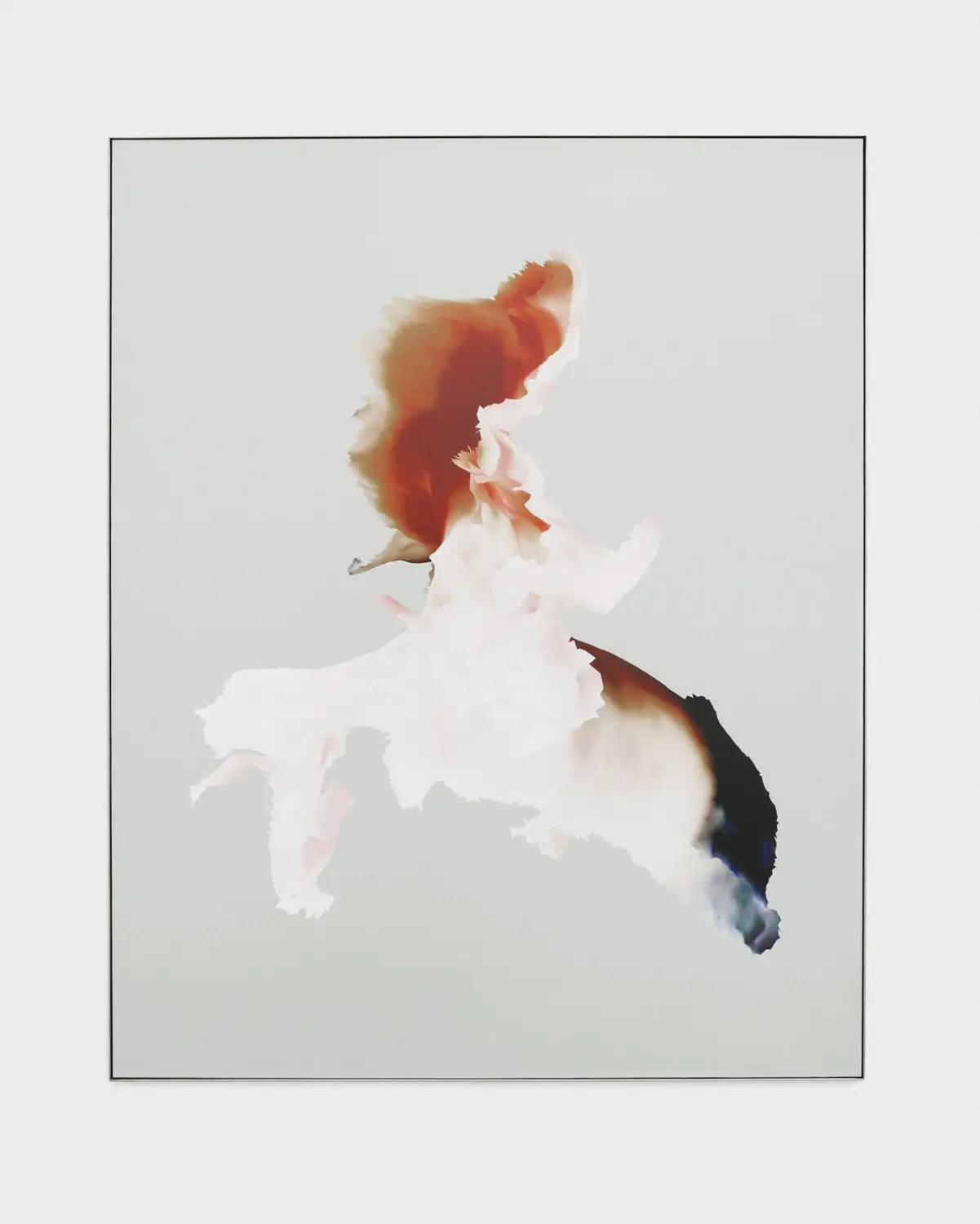
↑
hand II
C-Type Print, 120 x 150 cm
2017

↑
Prototypen, C-Type and Xerox Prints
Installation view at Royal College of Art, London, 2017

↑
Distant Landscape (Azshara)
Spray Painted MDF, 3D Print, 60 x 40 x 90 cm
2025
Distant
Landscapes
This series of sculptures, made from laser cut wood and acrylic paint, serve as a vivid homage to the evolving landscapes of MMORPGs (Massively Multiplayer Role-playing Games) — digital game worlds that have captivated millions of people since the beginning of ‘mainstream internet’. These sculptures draw inspiration from the worlds’ various visual biomes, capturing the stages of plant and wildlife evolution as they’ve been reimagined through the lens of changing technology.
Each piece reflects the distinct environments from different regions within games like World of Warcraft, from the misty forests of Ashenvale to the arid plains of Tanaris. The sculptures act as physical representations of these virtual landscapes, showcasing the subtle but profound changes in their fidelity over the years. Simpler, more abstract forms, echo the rudimentary textures and low-resolution graphics of earlier years and their technological limitations. These pieces capture the essence of the environments, yet maintain a sense of abstraction, mirroring the pixelated, flat designs of the past.
As the sculptures progress, they evolve in complexity and detail. Later pieces incorporate smooth, intricate engravings of flora and fauna, reflecting the shift toward higher resolution graphics and more immersive, realistic depictions, echoing the richer, more vibrant worlds experienced by players today.
Together, these sculptures act as a visual timeline of virtual simulations and their growth, from its pixelated roots to its modern-day immersive environments. They stand as a tribute to both the legacy and the transformative power of technology in shaping our virtual landscapes, inviting reflection on how digital worlds evolve in parallel with the real-world tools and creative visions that bring them to life.

↑
Distant Landscape (Azshara)
Spray Painted MDF, 90 x 45 x 6 cm
2025

↑
Distant Landscape (Azshara)
Spray Painted MDF, 3D Print
86 x 36 x 5 cm
2025

↑
Distant Landscapes, Exhibition View
Proposal with Holly Drewett

↑
Biome (Screenshot)
Virtual Simulation, Screenbased Installation
with data- and sensordriven VR/XR Environment
AI-driven ecology
Biome
This interactive virtual environment unfolds as a fully simulated biome: a living landscape that grows, mutates, and responds in real time. Built from live data streams, AI processes, and visitor interaction, it operates as much as an ecology
as it does an artwork.
At its centre lies a self-sustaining system of interdependent lifeforms and processes. Plants sprout, animals emerge, populations rise and decline, night falls and day returns. Seasonal shifts, atmospheric changes, and entire networks of interlinked species unfold according to both internal logics and external triggers.
Global weather data, biodiversity indexes, and sensor inputs from the exhibition space continuously feed back into the cycle — making each visitor, knowingly or not, part of the biome’s transformation.
The work resists the idea of the viewer as a passive observer. Movement, proximity, and attention all leave traces within the simulation.
The environment bends and adapts in response, producing an encounter that no two visitors share. Each gesture becomes an interference in the system: small and fleeting, but part of the ecosystem’s history.
By combining speculative ecology, procedural world-building, and AI-driven responsiveness, the piece suggests that virtual nature can be
more than imitation. It becomes a dynamic arena for reflecting on how technological systems shape the way we imagine, touch, and intervene in the living world.
The boundary between simulation and sensation, machine logic and embodied experience, grows porous — and within that porosity, new ways of relating to both nature and its digital doubles begin to emerge.

↑
Biome (Screenshot)
Virtual Simulation, Screenbased Installation
with data- and sensordriven VR/XR Environment
AI-driven ecology

↑
Biome (Screenshot)
Virtual Simulation, Screenbased Installation
with data- and sensordriven VR/XR Environment
AI-driven ecology
Wetlands
A series of composite UV prints on brushed aluminium and laser-engraved wooden fibreboard frames. The works explore the transformation of natural forms through digital processes.
Created during a residency in Murnau am Staffelsee, Bavaria, the series draws from the dense wetlands of the Murnauer Moos and the surrounding alpine landscapes. Inspired by the saturated colours and intricate structures of the local flora, the pieces translate organic shapes into digitally rendered and fabricated objects.
Starting with photographs and 3D scans of plants and natural textures, the process moves through stages of digital modelling and physical production, combining industrial materials with elements of the natural world. The result is a body of work that blurs the boundary between organic and synthetic, questioning how technology alters our perception of landscape and growth.
The work draws on language and human knowledge extracted from scientific literature, gathered as an aspiration toward preservation and future survival. These traces of organic growth and biological memory are contrasted with the cold precision of machine-driven processes and a material inherently unsuitable for nurture or cultivation.

↑
Biome (Screenshot)
Virtual Simulation, Screenbased Installation
with data- and sensordriven VR/XR Environment
AI-driven ecology

↑ Gelbe Blume
UV Print
60 x 90 cm
2023
Are you interested in this work?
Please contact me for more information, availability and pricing.